Future of AI and Tech Investments 2026: Which Sectors Will Still Dominate?

Let’s be honest for a second—trying to predict the tech market is a bit like trying to read tea leaves during a hurricane. However, as we look toward 2026, the noise around Artificial Intelligence (AI) and the broader tech landscape is starting to settle into a clear signal. The initial “hype cycle” is maturing into a “utility cycle,” and for investors, this means shifting focus from flashy startups to infrastructure and indispensable applications.
If you are looking to position your portfolio for 2026, it is not just about betting on who has the coolest chatbot. It is about understanding which underlying sectors are becoming the backbone of the global economy. Here is a look at the niches predicted to remain dominant and drive value over the next few years.



1. The Infrastructure of Intelligence: Hardware and Cloud
By 2026, the demand for compute power isn’t going anywhere but up. While software evolves rapidly, the hardware required to run these massive Large Language Models (LLMs) remains a critical bottleneck. We are talking about the “pick and shovel” strategy of the AI gold rush.
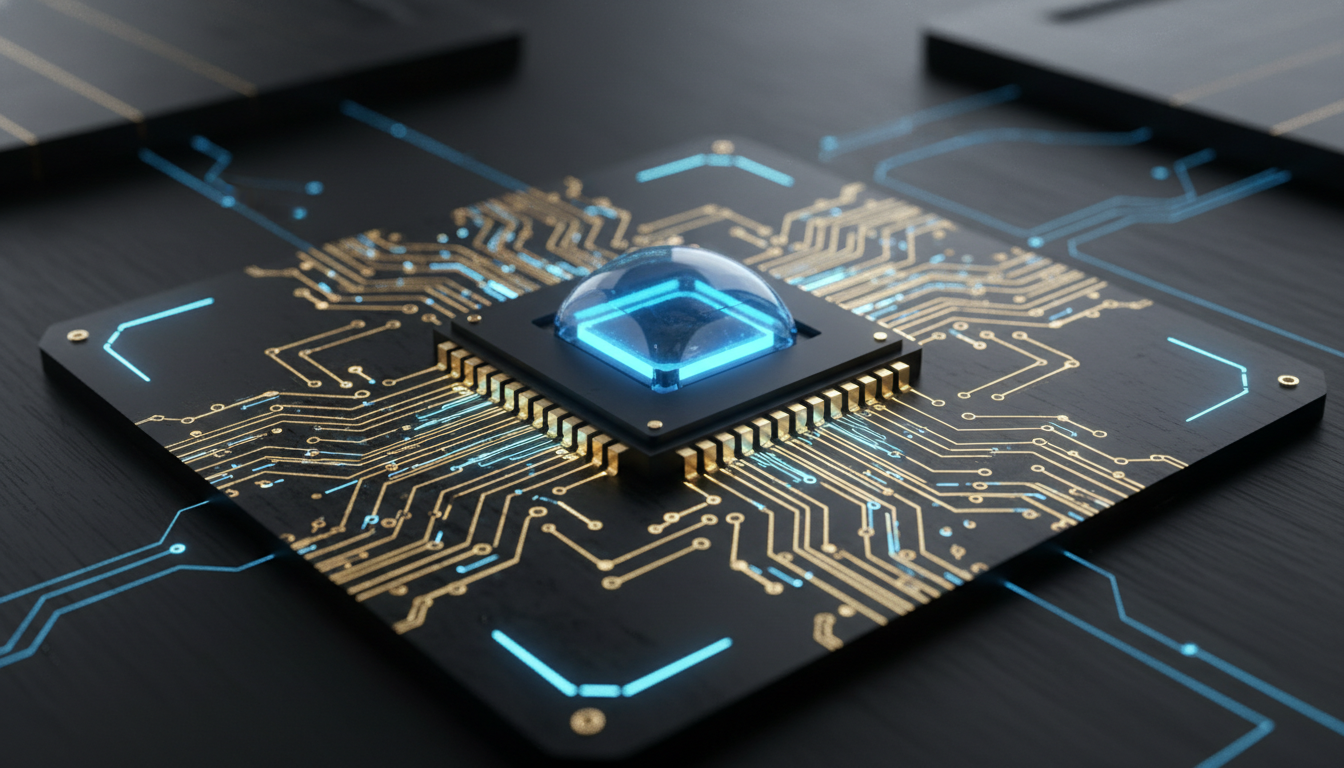
Companies that manufacture high-performance GPUs, specialized AI chips (ASICs), and the massive data centers housing them are expected to maintain market dominance. By 2026, we will likely see a shift towards more energy-efficient processing as the environmental cost of AI becomes a regulatory hurdle. If you are investing, look for the companies building the physical rails that the AI train runs on.
2. AI-Driven Cybersecurity
As AI gets smarter, so do the bad actors. Cyberattacks are becoming automated, sophisticated, and relentless. This creates a massive, non-negotiable demand for AI-driven defense systems. By 2026, traditional cybersecurity won’t cut it; organizations will need “good AI” to fight “bad AI.”
Security Operations Centers (SOCs) will rely heavily on autonomous response systems that can detect and neutralize threats in milliseconds, faster than any human analyst could hope to react. This sector is sticky—once an enterprise integrates a security ecosystem, they rarely switch, providing stable recurring revenue for investors.

3. HealthTech and Precision Medicine
The intersection of AI and biology is perhaps the most exciting frontier for 2026. We are moving past simple telemedicine apps into the era of AI-assisted drug discovery and genomic editing. Tech giants are partnering with pharmaceutical companies to slash the time and cost of bringing new drugs to market.
Imagine algorithms that can predict how a specific protein folds or how a patient’s unique genetic makeup will respond to a treatment. This isn’t science fiction anymore; it is an investable sector. By 2026, companies that successfully bridge the gap between computational power and clinical application will likely be the heavyweights of the healthcare industry.
4. The Green Energy Transition for Tech
This is the silent giant. All those data centers mentioned in point #1? They consume electricity at an alarming rate. By 2026, the tech sector’s biggest constraint won’t just be chip shortages; it will be energy availability.
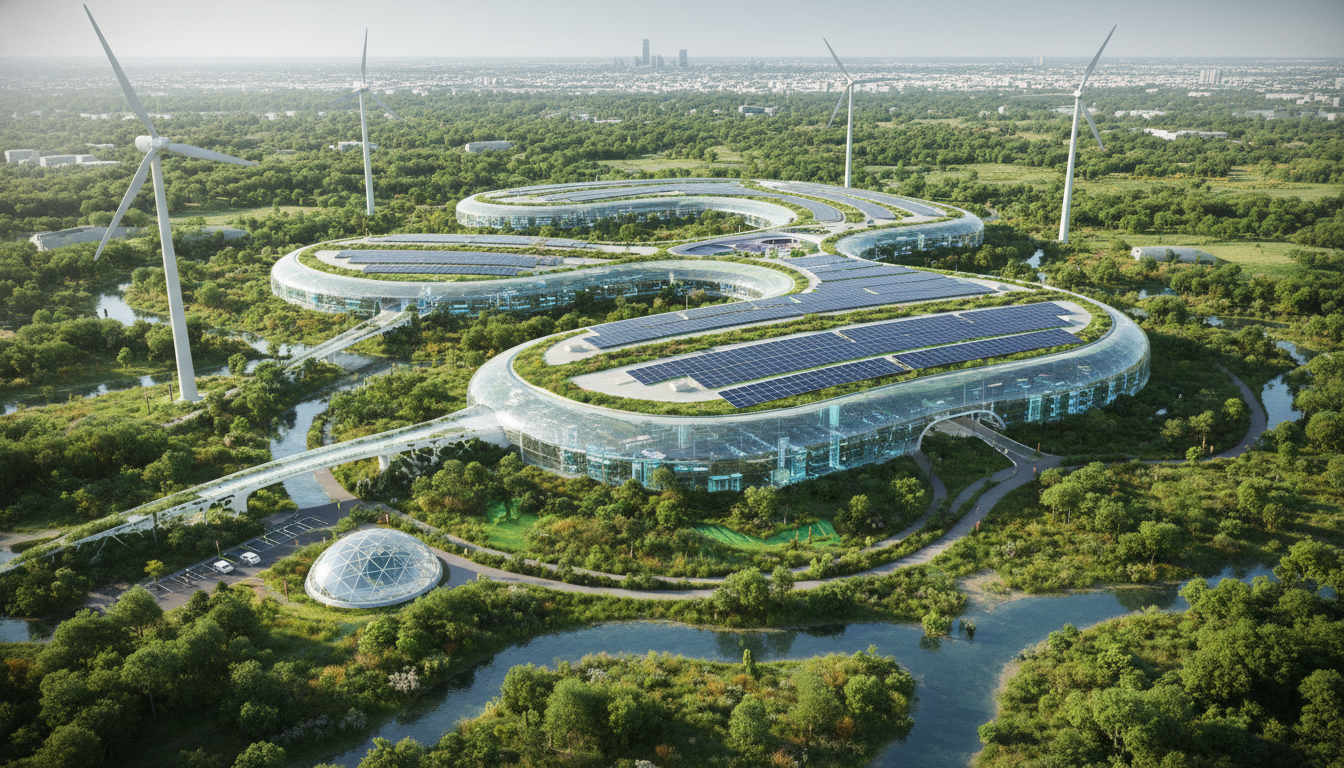
Investments in sustainable energy solutions specifically designed for tech infrastructure—like liquid cooling systems, modular nuclear reactors for data centers, and advanced battery storage—are poised for significant growth. The winners in the tech space will be those who can secure clean, cheap, and reliable power.
The Bottom Line
Heading into 2026, the “spray and pray” method of tech investing is out. The market is maturing. The smartest money will likely flow toward the indispensable: the hardware that powers AI, the security that protects it, the healthcare solutions that utilize it, and the energy that sustains it. Stay informed, stay analytical, and look for value where utility meets innovation.